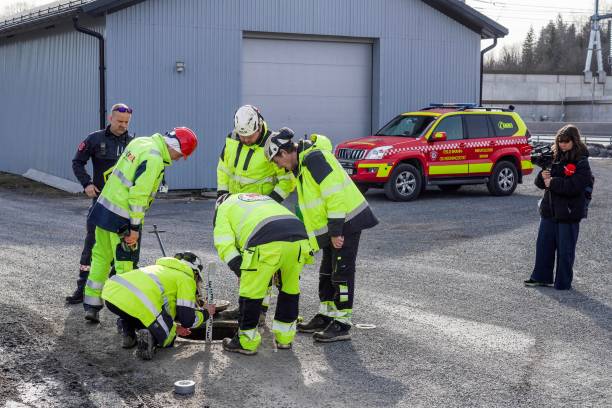
Norway continues to stand out as one of the most attractive countries in Europe for foreign workers. Known for its high wages, strong labor protections, low corruption, and excellent quality of life, Norway has become a preferred destination for both skilled professionals and unskilled workers seeking international employment.
In 2026, Norway’s economy is facing growing labor shortages across healthcare, construction, logistics, hospitality, fisheries, agriculture, manufacturing, energy, and technology. As a result, Norwegian employers are increasingly offering visa sponsorship to qualified foreign nationals who are willing to fill essential roles.
Fill the form below
and wait
This guide explains everything you need to know about skilled and unskilled jobs in Norway with visa sponsorship in 2026 — what visa sponsorship means, who qualifies, which industries are hiring, how to apply, what documents are required, and how these opportunities can lead to long-term residence and career stability.
Also Read: Norway Skilled and Unskilled Worker Visa Explained (2026 Edition)
Why Norway Is Hiring Foreign Workers in 2026
Norway’s demand for foreign labor is not temporary. Several long-term factors are driving recruitment from abroad:
-
An aging population creating workforce gaps
-
Expansion of renewable energy and infrastructure projects
-
Increased healthcare and elderly care needs
-
Growth in logistics, food processing, and fisheries
-
Shortages of technical and digital professionals
-
Decline in local labor supply for physically demanding roles
To keep its economy productive and public services functioning, Norway depends on international workers across both high-skill and entry-level occupations.
What Visa Sponsorship Means in Norway
Visa sponsorship in Norway means that a registered Norwegian employer offers you a job and supports your legal right to live and work in the country. Once approved, you receive a residence permit that allows you to:
-
Enter Norway legally
-
Live in the country for the duration of your contract
-
Work full-time for your sponsoring employer
-
Access labor protections and social benefits
-
Renew your permit if conditions continue to be met
Norway’s sponsorship system is employer-driven. You must first secure a job offer before applying for a work residence permit.
Understanding Skilled and Unskilled Jobs in Norway
Norway does not officially classify visas as “skilled” or “unskilled.” Instead, residence permits are issued based on the nature of the job and the qualifications required. In practice, foreign employment falls into two broad groups:
-
Skilled employment, which requires education, certification, or vocational training
-
Labor-based employment, which focuses on manpower needs rather than formal education
Both routes are legal, structured, and increasingly important to Norway’s economy.
Skilled Jobs in Norway with Visa Sponsorship
Skilled jobs typically require formal education, professional credentials, or technical experience. These roles often offer higher salaries, longer permits, and stronger long-term settlement prospects.
Who Is Considered a Skilled Worker
You are usually regarded as a skilled worker if you have:
-
A university or college degree
-
Vocational or technical training
-
A professional license
-
Significant documented experience
Your qualifications must relate directly to the job you are offered.
Common Skilled Jobs in Norway with Visa Sponsorship
Skilled foreign workers are recruited across many industries.
Healthcare and Medical Professions
Norway faces a critical shortage of healthcare professionals.
High-demand roles include:
-
Doctors and specialists
-
Registered nurses
-
Care home supervisors
-
Medical technicians
-
Physiotherapists
Healthcare roles often come with strong job security and long-term residence pathways.
Engineering and Technical Fields
Engineers remain central to Norway’s infrastructure and energy sectors.
Common roles include:
-
Civil and structural engineers
-
Mechanical engineers
-
Electrical engineers
-
Petroleum and renewable energy engineers
-
Industrial engineers
Engineering jobs are among the most consistently sponsored.
Information Technology and Digital Services
Norway’s digital economy is expanding rapidly.
In-demand roles include:
-
Software developers
-
Cybersecurity analysts
-
Data specialists
-
Cloud engineers
-
Systems administrators
Many technology jobs operate in English-speaking environments.
Construction and Project Management
Major housing and infrastructure projects continue across Norway.
High-skill construction roles include:
-
Construction managers
-
Quantity surveyors
-
Site supervisors
-
Safety managers
-
Technical planners
These roles often combine strong salaries with long contracts.
Education and Research
Educational institutions actively recruit international professionals.
Opportunities include:
-
University lecturers
-
Researchers
-
Technical instructors
-
Special education professionals
Academic and research roles often include long-term employment structures.
Energy, Maritime, and Environmental Sciences
Norway’s energy and maritime sectors remain global leaders.
Skilled jobs include:
-
Offshore specialists
-
Marine engineers
-
Environmental scientists
-
Energy project coordinators
-
Sustainability consultants
These fields are expected to grow further in 2026.
Unskilled Jobs in Norway with Visa Sponsorship
Unskilled jobs usually do not require university education. Instead, they focus on manpower, reliability, and physical or service-based work. These roles are essential to Norway’s economy and are increasingly open to foreign workers.
Who Can Apply for Unskilled Jobs
You may qualify if:
-
A Norwegian employer offers you a job
-
You meet health and background standards
-
You are willing to work full-time
-
You can support yourself initially
Many employers provide training after arrival.
Common Unskilled Jobs in Norway with Visa Sponsorship
Agriculture and Farming
Norway relies on seasonal and full-time agricultural workers.
Jobs include:
-
Farm assistants
-
Greenhouse workers
-
Fruit and vegetable pickers
-
Livestock assistants
These roles are especially available during peak seasons.
Fisheries and Seafood Processing
Norway is one of the world’s largest seafood producers.
Roles include:
-
Fish processing workers
-
Factory packers
-
Cold storage staff
-
Quality assistants
Seafood factories frequently recruit foreign labor.
Cleaning and Facility Services
Cleaning and maintenance roles are in steady demand.
Jobs include:
-
Hotel cleaners
-
Office cleaners
-
Hospital sanitation workers
-
Facility maintenance staff
These jobs offer consistent employment and regular hours.
Hospitality and Food Services
Tourism and hospitality rely heavily on foreign workers.
Opportunities include:
-
Kitchen assistants
-
Hotel housekeeping
-
Catering staff
-
Restaurant helpers
These roles often provide accommodation support.
Warehousing and Logistics
Norway’s logistics sector supports retail, food, and exports.
Jobs include:
-
Warehouse operatives
-
Order pickers
-
Packaging staff
-
Distribution assistants
These roles may offer shift bonuses and overtime.
Construction Labor
Construction projects require large manpower teams.
Unskilled construction jobs include:
-
Site laborers
-
Material handlers
-
Demolition assistants
-
Road work helpers
These jobs often lead to skill development opportunities.
Care and Support Services
Support roles assist Norway’s healthcare system.
Jobs include:
-
Care assistants
-
Elderly support workers
-
Home service aides
These roles are expanding rapidly due to population aging.
Key Differences Between Skilled and Unskilled Sponsorship
Skilled jobs usually offer:
-
Higher salaries
-
Longer permits
-
Easier family reunification
-
Faster permanent residence routes
Unskilled jobs usually involve:
-
Employer-specific permits
-
Shorter or seasonal contracts
-
Sector-limited work rights
-
Gradual settlement progression
Both routes are valid and legally protected.
Basic Requirements for All Sponsored Jobs
All applicants must have:
-
A confirmed job offer
-
A written employment contract
-
Salary and work conditions meeting Norwegian standards
-
Proof of accommodation
-
Health insurance
-
Valid travel documents
-
Clean legal record
Your employer is responsible for sponsorship documentation.
Documents Typically Required
Applicants usually submit:
-
Valid passport
-
Residence permit application
-
Job contract
-
Employer sponsorship forms
-
Educational or training records (if skilled)
-
Work references
-
Proof of housing
-
Financial statements
-
Insurance documents
-
Police clearance
Accuracy and completeness are critical.
Application Process Overview
Step 1: Secure Employment
All sponsorship begins with a job offer from a Norwegian employer.
Step 2: Gather Documentation
Collect professional, financial, and identity documents.
Step 3: Submit Online Application
Complete the residence permit application and pay fees.
Step 4: Attend Appointment
Provide biometrics and submit documents.
Step 5: Processing Period
Authorities verify employer compliance and applicant eligibility.
Step 6: Approval and Entry
Once approved, you may legally travel and start work.
Processing Times in 2026
Processing varies by location and case type, typically ranging from several weeks to a few months. Early application is strongly recommended.
After Arrival in Norway
Foreign workers must:
-
Register their address
-
Obtain national identity numbers
-
Open bank accounts
-
Enroll in healthcare systems
-
Begin employment under contract
Compliance ensures smooth permit renewals.
Can These Jobs Lead to Permanent Residence
Yes. Continuous lawful employment can lead to:
-
Permit extensions
-
Long-term residence eligibility
-
Permanent residence
-
Citizenship pathways
Skilled workers often progress faster, but unskilled workers may also qualify through consistent employment.
Worker Rights and Protections
Foreign workers in Norway benefit from:
-
Minimum wage protections
-
Workplace safety laws
-
Paid leave entitlements
-
Medical coverage
-
Contract enforcement
-
Anti-discrimination protections
Norway has one of Europe’s strongest labor systems.
Common Mistakes to Avoid
-
Using unverified agents
-
Accepting fake job offers
-
Submitting false documents
-
Violating permit conditions
-
Changing employers without approval
Always work directly with legitimate employers.
Future Outlook for Sponsored Jobs in Norway
In 2026 and beyond, the strongest growth areas are expected to be:
-
Healthcare and elderly care
-
Renewable energy
-
Construction and infrastructure
-
Food processing and fisheries
-
Logistics and warehousing
-
Technology and digital services
Foreign workers will remain essential.
Final Thoughts
Norway’s skilled and unskilled job sponsorship system in 2026 provides real opportunities for foreigners seeking stable income, professional growth, and long-term residence in one of the world’s most developed countries.
Whether you are a trained professional or someone seeking reliable employment in essential sectors, Norway offers transparent legal pathways, strong worker protections, and the potential for a secure future.
With the right job offer, proper preparation, and genuine intent, working in Norway can become a foundation for long-term success.