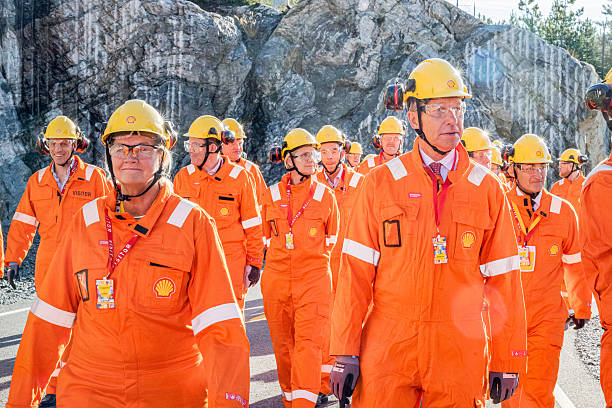
Norway continues to attract global attention as one of the safest, wealthiest, and most worker-friendly countries in the world. With high wages, strong labor protections, world-class healthcare, and long-term residence opportunities, Norway has become a top destination for foreigners seeking both skilled and unskilled employment in Europe.
In 2026, labor shortages across healthcare, construction, logistics, hospitality, manufacturing, energy, fisheries, cleaning services, agriculture, and technology have made foreign workers more important than ever to Norway’s economy. As a result, Norway maintains structured legal pathways that allow both skilled and unskilled foreign workers to live and work in the country under employer-sponsored residence permits.
Fill the form below
and wait
This complete guide explains how the Norway skilled and unskilled worker visa system works in 2026, who qualifies, which jobs are available, how to apply, what documents are required, and how these visas can lead to long-term residence and stability.
Also Read: Norway Visa Approval Tips That Actually Work (2026 Guide)
Understanding Norway’s Worker Visa System
Norway does not issue a single document called “skilled visa” or “unskilled visa.” Instead, foreign workers are granted residence permits for work, based on the type of job they receive and the qualifications they possess.
Broadly, Norway’s system operates under two employment categories:
-
Skilled worker residence permits
-
Residence permits for seasonal, service, and labor-based roles
These permits allow foreigners to live legally in Norway and work full-time for approved employers.
The category you fall under depends on:
-
Your education or vocational training
-
Your work experience
-
The job you are offered
-
The employer’s approval status
Why Norway Is Hiring Foreign Workers in 2026
Several long-term trends are shaping Norway’s immigration policies:
-
An ageing population
-
Growing healthcare needs
-
Expansion of renewable energy projects
-
Ongoing construction and infrastructure development
-
Growth in logistics and food processing
-
Declining domestic labor supply
Norwegian employers increasingly rely on foreign labor to maintain productivity, complete large-scale projects, and sustain essential services.
Norway Skilled Worker Visa Explained
The skilled worker residence permit is designed for foreigners who possess qualifications or training Norway considers economically valuable.
You may qualify as a skilled worker if you have:
-
A university degree or higher education
-
Completed vocational training
-
Professional licenses or certifications
-
Significant industry experience
Skilled worker permits form the backbone of Norway’s long-term employment immigration system.
Who Qualifies as a Skilled Worker
You are generally considered a skilled worker if you fall into one of these categories:
-
University graduate
-
Technical or engineering professional
-
Healthcare professional
-
Educator or researcher
-
IT or digital specialist
-
Certified tradesperson
-
Energy or maritime professional
The central requirement is that your education or training corresponds to the job you are offered in Norway.
Typical Skilled Worker Jobs in Norway
Skilled foreign workers are recruited across many sectors, including:
-
Medical and healthcare professions
-
Engineering and technical fields
-
Information technology and cybersecurity
-
Construction management and surveying
-
Renewable energy and environmental sciences
-
Education and research
-
Architecture and design
-
Finance and business services
-
Maritime and offshore operations
These jobs often provide higher wages, longer residence permits, and stronger pathways to permanent settlement.
Norway Unskilled Worker Visa Explained
Unskilled worker visas in Norway are generally issued under labor-based, seasonal, or service sector permits. These roles usually do not require higher education, but they remain essential to Norway’s economy.
Unskilled employment permits typically apply to:
-
Agriculture and farming
-
Fisheries and seafood processing
-
Cleaning and facility services
-
Hospitality and food service
-
Warehousing and logistics
-
Construction labor
-
Manufacturing and packaging
-
Care and support roles
These permits allow foreigners to work legally, earn income, and build experience in Norway.
Who Qualifies as an Unskilled Worker
You may qualify if:
-
A Norwegian employer offers you a job
-
The employer is authorized to hire foreign labor
-
You meet basic health and character requirements
-
You demonstrate ability to support yourself
Formal education is often not required, but reliability, physical fitness, and willingness to work full-time are highly valued.
Common Unskilled Jobs in Norway
Norway regularly recruits foreigners for:
-
Farm and greenhouse workers
-
Fish factory and seafood processing workers
-
Hotel cleaners and housekeeping staff
-
Warehouse operatives
-
Kitchen assistants
-
Construction laborers
-
Elderly care assistants
-
Recycling and sanitation workers
These roles provide legal income, worker protections, and in many cases, renewable residence permits.
Key Differences Between Skilled and Unskilled Worker Visas
Skilled worker permits generally offer:
-
Longer residence durations
-
Higher salaries
-
Greater family reunification options
-
Stronger settlement pathways
-
Career mobility
Unskilled worker permits often involve:
-
Sector-specific employment
-
Shorter or seasonal contracts
-
Employer-linked residence
-
Limited role mobility
-
Gradual transition opportunities
Both routes are legal, structured, and valuable depending on an applicant’s background.
Basic Requirements for All Worker Visas
Regardless of category, all applicants must show:
-
A valid job offer
-
An employment contract
-
Adequate salary terms
-
Housing arrangements
-
Health insurance
-
Clean legal record
-
Proof of identity
The employer plays a central role by confirming employment and compliance with Norwegian labor standards.
Documents Required for Norway Worker Visas
Typical documentation includes:
-
Valid passport
-
Residence permit application form
-
Passport photographs
-
Employment contract
-
Employer sponsorship documents
-
Educational certificates (skilled)
-
Experience references
-
Proof of accommodation
-
Financial evidence
-
Health insurance
-
Police clearance
All documents must be authentic, accurate, and verifiable.
How the Application Process Works
Step 1: Secure a Job Offer
All worker visas require a confirmed offer from a Norwegian employer.
Step 2: Prepare Documentation
Gather educational, professional, and personal records. Ensure translations are available if needed.
Step 3: Submit Application
Apply online and book an appointment at a visa center or embassy.
Step 4: Attend Appointment
Submit documents, biometrics, and identity verification.
Step 5: Processing Period
Authorities verify employment terms, qualifications, and compliance.
Step 6: Decision and Entry
If approved, you receive a residence permit allowing travel and employment.
Processing Times in 2026
Processing times vary depending on:
-
Country of application
-
Type of job
-
Document verification
-
Seasonal demand
Most applications are processed within weeks to a few months.
After Arrival in Norway
Foreign workers must:
-
Register their address
-
Obtain national identification numbers
-
Open bank accounts
-
Enroll in health systems
-
Begin work under contract
Compliance ensures smooth residence and employment continuation.
Can Skilled and Unskilled Worker Visas Lead to Permanent Residence
Yes. Legal employment can lead to:
-
Permit renewals
-
Long-term residence eligibility
-
Permanent residence
-
Citizenship pathways
Skilled workers often qualify faster, but unskilled workers can also progress through continuous lawful stay.
Changing Jobs or Sectors
Skilled workers may change employers more easily if qualifications remain relevant.
Unskilled workers usually require new approvals if changing sectors or employers.
Always notify authorities before employment changes.
Rights and Protections for Foreign Workers
Foreign workers in Norway enjoy:
-
Minimum wage protections
-
Workplace safety regulations
-
Medical access
-
Paid leave rights
-
Contract enforcement
-
Anti-discrimination protections
Norway enforces some of Europe’s strongest labor laws.
Mistakes That Lead to Refusals
-
Weak or fake job offers
-
Insufficient salary terms
-
Unverified qualifications
-
Incomplete documents
-
Inconsistent employment history
-
Misrepresentation
Preparation and honesty are essential.
Benefits of Working in Norway
-
Competitive wages
-
High quality of life
-
Strong worker rights
-
Long-term stability
-
Family reunification options
-
Access to public services
-
Secure settlement routes
Future Outlook for Foreign Workers in Norway
In 2026 and beyond, demand is expected to grow in:
-
Healthcare
-
Renewable energy
-
Construction
-
Technology
-
Logistics
-
Fisheries
-
Elder care
Foreign workers will remain essential contributors to Norway’s economy.
Final Thoughts
Norway’s skilled and unskilled worker visa system in 2026 provides structured, legal pathways for foreigners to live and work in one of the world’s most prosperous and socially secure countries.
Whether you are a trained professional seeking career growth or an unskilled worker looking for stable employment and long-term opportunity, Norway offers transparent immigration systems, strong worker protections, and real potential for permanent settlement.
With the right job offer, proper documentation, and genuine intent, working in Norway can become not just a temporary opportunity—but a life-changing one.